23 October 2026
Hosting a Non-EU Au Pair: The Complete Family Guide
Welcoming an au pair from a non-EU country (Philippines, Brazil, South Africa, Ukraine, Colombia…) is an experience that brings a new culture and an extra language into your home for your children. However, it requires a few more bureaucratic steps than hosting a European au pair. Here's what to do, in order.
1. Understanding the difference between EU and non-EU au pairs
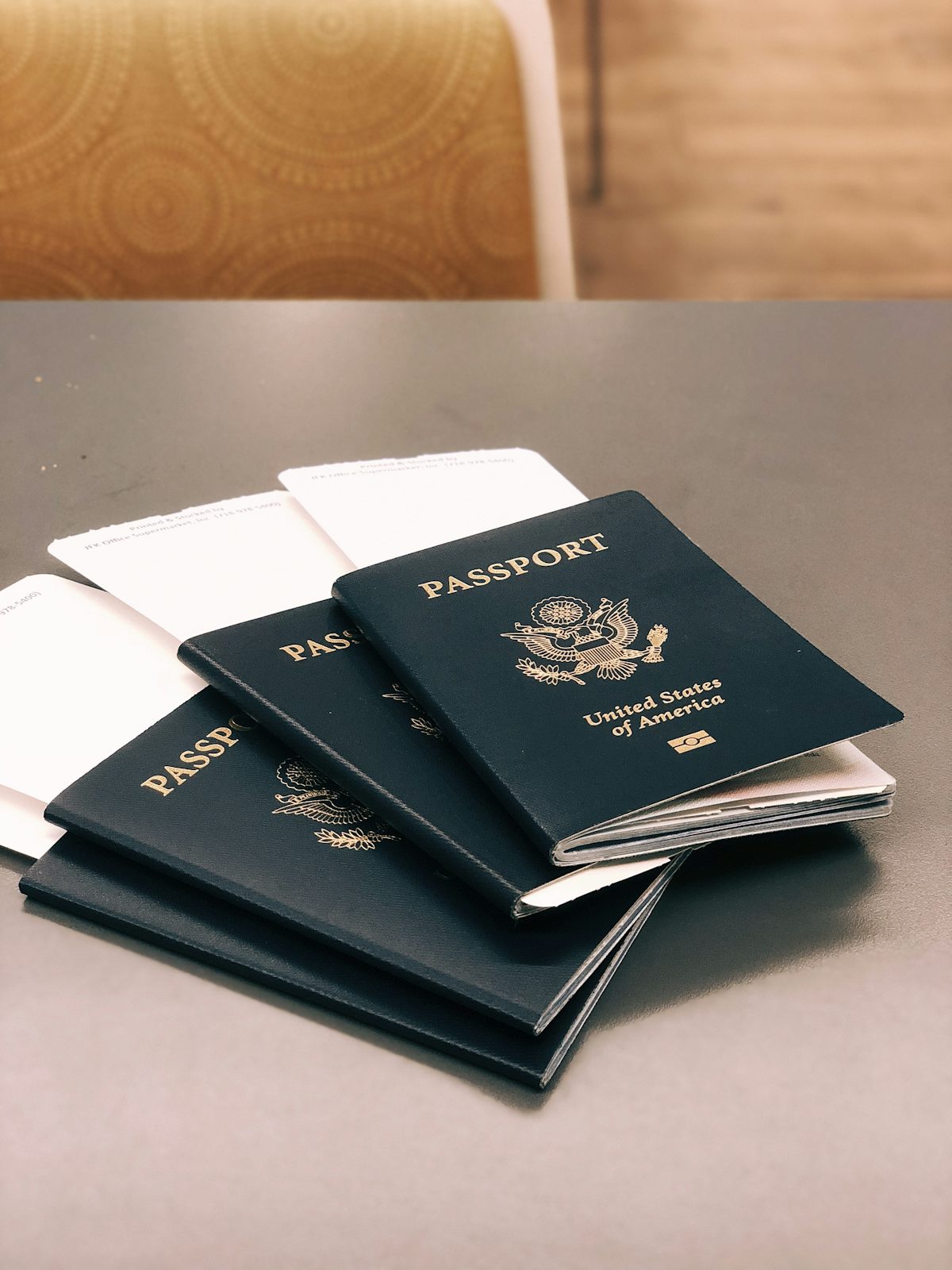
European citizens have no particular requirements for stays under 90 days. Those from non-EU countries, however, need a visa and, after arrival, a declaration of presence. The visa is the first hurdle, so it's worth starting well in advance. waitaly
2. Checking basic requirements
Usually the au pair is between 18 and 30 years old and knows at least some of the host country's language. Most are between 18 and 24, though some agencies go up to 30. Remember that an au pair is not a full-time babysitter or domestic helper: she is a young woman entering family life to experience a different culture. europa
3. Finding the right girl
On Au Pair Plus, our free site for families, you can search for and get to know candidates at no cost. Before choosing, have at least a video call, discuss schedules, tasks and mutual expectations, and ask for references. If the girl has already worked with children, that's even better.
4. Preparing the contract (the hosting agreement)
It's the foundation of everything. The official template provides for the family to offer board, lodging and a weekly allowance, with set time for tasks and free time. Always include in the contract: aupairworld
- duration of stay
- weekly hours of commitment and days off
- amount of allowance
- agreed tasks (childcare, minor tasks related to the children)
- time for language study
- insurance coverage
5. The visa: who applies and how
This is the most delicate part. The au pair applies at the consulate or embassy of the host country, usually in her country of residence. Processing times can be long, sometimes several months, so start at least 3-4 months before the planned arrival date. aupairworld
You'll usually need a signed contract, family documents, insurance and proof of minimum language knowledge. Exact requirements vary from country to country and change over time: always check the official consulate website or the visa portal listed at the bottom.
6. After arrival: compliance requirements in Italy
- Declaration of presence: if the au pair lives with the family, it's the family's responsibility to file it at the Police Headquarters within 48 hours of arrival. waitaly
- Residence permit: the non-EU au pair has eight days to file an application at the Police Headquarters, and the permit's duration matches that of the visa. waitaly
For specific cases (duration, visa type, possible conversions), contact the Police Headquarters or consulate: rules can change.
7. Insurance and protections
Always insure the girl for illness and accidents, and verify with the consulate what is required for the visa. The contract template provides that the family continues to provide board and lodging even if the au pair becomes ill. aupairworld
8. Arrival and the first days
Prepare a bedroom with some privacy, explain house rules calmly and dedicate the first few days to settling in: a tour of the neighbourhood, introductions to neighbours, help with a SIM card and transport. A warm welcome makes everything else much easier.
Final checklist
- Search for and choose your candidate (Au Pair Plus is free)
- Sign the contract
- The au pair applies for the visa
- Prepare insurance and bedroom
- File declaration of presence at Police Headquarters within 48 hours
- The au pair applies for residence permit within 8 days
🌍 Visa portals for European countries
If your au pair wants to gain experience elsewhere, or if you want to compare rules, here are the official portals where you can check requirements:
- 🇮🇹 Italy: https://vistoperitalia.esteri.it/
- 🇫🇷 France: https://france-visas.gouv.fr/
- 🇩🇪 Germany: https://digital.diplo.de/visa
- 🇪🇸 Spain: https://www.exteriores.gob.es/
- 🇵🇹 Portugal: https://vistos.mne.gov.pt/
- 🇳🇱 Netherlands: https://www.ind.nl/
- 🇧🇪 Belgium: https://dofi.ibz.be/
- 🇦🇹 Austria: https://www.bmeia.gv.at/
- 🇨🇭 Switzerland: https://www.sem.admin.ch/
- 🇮🇪 Ireland: https://www.irishimmigration.ie/