05 November 2026
Baby-Led Weaning: What It Is, When to Start, and How to Do It Safely
Baby-Led Weaning: what it is, when to start and how to do it safely
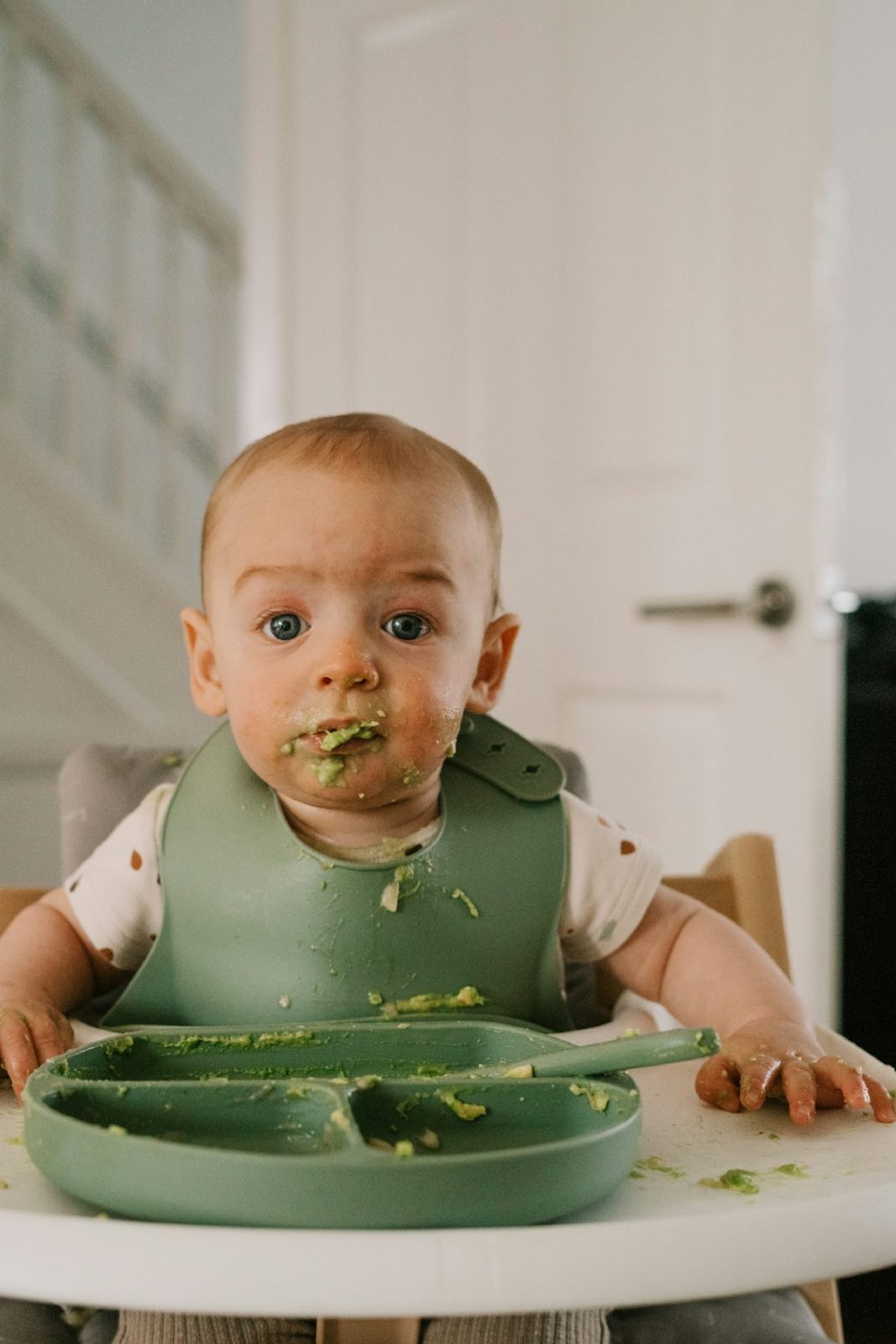
Baby-led weaning is one of the topics that divides parents the most: some love it, some fear it, some don't know where to start. In a nutshell, instead of the classic food given with a spoon, the child eats the same foods as the family, in pieces suitable for their age, bringing them to their mouth on their own. Let's see how it works, with particular attention to safety.
Important: this guide is informative and does not replace the pediatrician's advice. Every child is different: before starting, always talk to the doctor who follows your child.
What is baby-led weaning
It is a way of introducing solid foods in which the child participates in family meals, tasting the foods that others eat, in forms and consistencies that are suitable. According to the pediatricians who promote it, it can have several benefits: it encourages appetite self-regulation, can help reduce the risk of childhood obesity and promotes a positive approach to food. fanpage
It should be said honestly that the topic is still debated: as a pediatrician interviewed reminds us, the Italian Society of Pediatrics does not yet have a completely defined official position on "pure" baby-led weaning, pending shared guidelines. Another informative source emphasizes that both traditional weaning and baby-led weaning are valid paths, if they respect timing, safety and the pediatrician's recommendations. fanpagenapolike
When to start
The most shared recommendation is not to rush things. The WHO recommends exclusive breastfeeding up to 6 months and the introduction of complementary foods from that age. Before that, the baby usually does not yet have the motor skills to manage solids safely. napolike
However, it is not enough to turn 6 months old: what matters are the signs of readiness. Among the main ones, the child must be able to sit with support and show control of neck movements. Other signs often indicated by pediatricians are interest in other people's food and the ability to bring objects to their mouth. my-personaltrainer
How to do it, in practice
- Seat the child at the table with the family, on a stable high chair with good back support
- Offer suitable pieces, not too small and not hard: the child should be able to grasp them and bring them to their mouth
- Let them do it themselves: do not spoon-feed and do not force, the child decides how much to eat
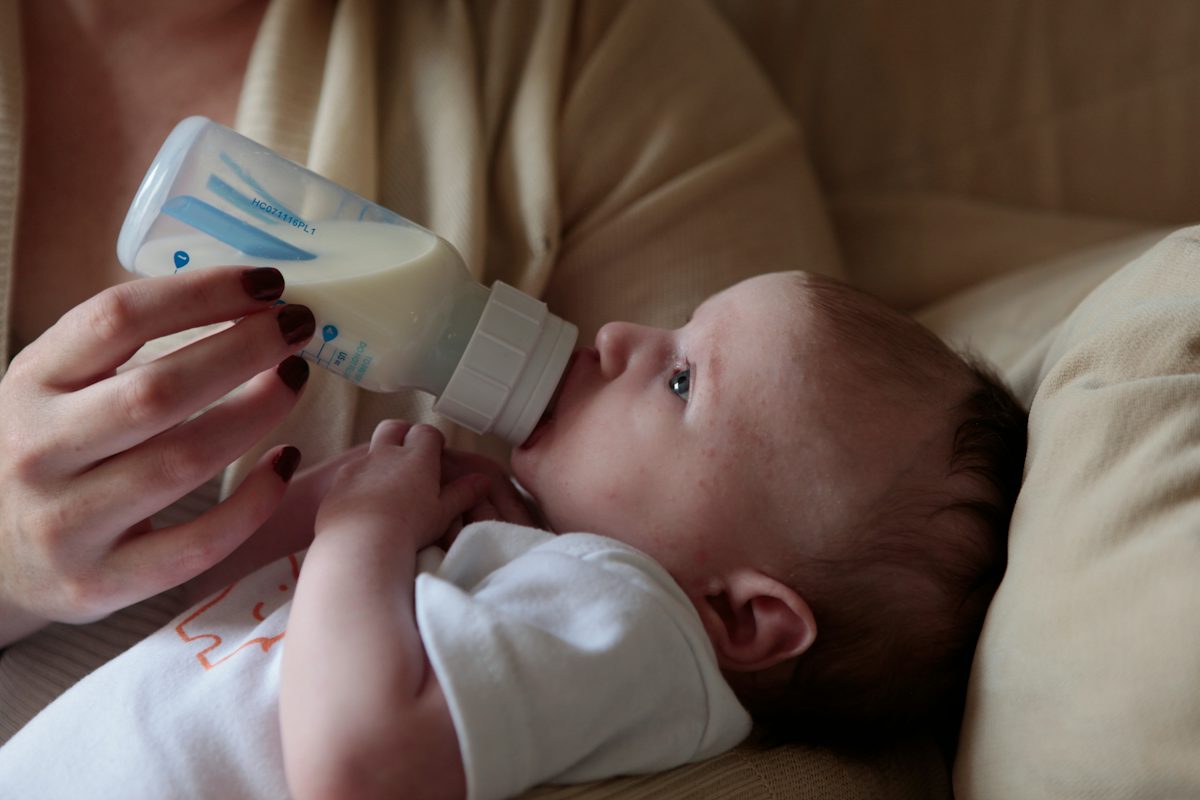
- Continue with milk (breast or formula), which remains the main food at the beginning
- Eat together with them: children imitate adults
- Stay always close by, without distracting yourself with your phone or other activities
- Be patient: they will make a mess, taste very little, refuse some foods, and that's normal. It is advisable to periodically offer even foods that are not well-liked
What to offer
After 6 months the child's iron reserves decrease, so it is worth offering foods that contain it: meat, legumes and fish help meet the requirement. In general, in the 6-12 month range, the gradual introduction of all foods is recommended. napolikeuslumbria1
Regarding allergens, a medical source reminds us that the introduction of specific foods does not need to be delayed beyond 4-6 months in most children. If there are allergies or severe eczema in the family, ask the pediatrician first. msdmanuals
What to avoid in the first year
Some rules always apply, with any method:
- Salt and sugar: no salt for the entire first year and no added sugar
- Honey: forbidden under one year due to the risk of infant botulism napolike
- Cow's milk as a beverage: not before 12 months, although it can be used in cooking or in foods
- Foods that are too salty or ultra-processed: even if they eat "like the adults," the family's diet should be as healthy and balanced as possible
Safety: the most important topic
The main risk is choking. According to guidelines published by the Ministry of Health, food is among the leading causes of choking in children. Data from the SusySafe register indicates that one third of cases depend on small chicken bones and fish bones, followed by peanuts and seeds. ilfattoalimentare
The most dangerous foods are those that are hard and fibrous, those that are sticky, and those that are compressible, such as marshmallows. The advice for families is not to eliminate them all, but to prepare them in the right way. ilfattoalimentare
How to cut at-risk foods
FoodHow to offer itGrapes, cherry tomatoes, round fruit | Cut into quarters lengthwise, never whole
Kiwis and other round foods | Avoid slicing into rounds: better to use wedges or appropriate pieces
Raw carrots and hard vegetables | Cook until soft, or grate them
Cheese | Grated or in short, thin strips
Tree nuts | Never whole: avoid until 4-5 years old, at most finely chopped
Sausages and frankfurters | Cut lengthwise and then into small pieces
Fish and meat | Always without bones or splinters
Legumes | Without skins or reduced to puree greenme
Some foods should be avoided completely for a long period: sweets, chewing gum, and marshmallows.
Gagging and choking: they are two different things
Gagging is a protective reflex: the child coughs or gags to push food forward, it's usually noisy and resolves on its own. True choking is silent: the child cannot breathe, makes no sounds, and may change color. If you suspect an obstruction, you must intervene immediately.
For this reason it is essential that whoever cares for the child knows pediatric airway clearance techniques. There are practical courses organized by associations and hospitals: attending one is one of the most useful things a parent, or anyone caring for the child, can do.
What if the child is cared for by an au pair?
If there is an au pair in the home, baby-led weaning requires clear communication, because every detail matters. Here's how to organize it:
- Explain the approach calmly, and verify that it has been understood. If there is a language barrier, use images and concrete examples
- Write down the main rules on a simple sheet: forbidden foods, correct cuts, meal times
- Show how to prepare the foods, with a live demonstration
- Insist on supervision: the child should never be left alone while eating
- Teach what to do in case of choking, preferably with a practical course that you attend together
- Leave the pediatrician's number and emergency numbers in a visible place
- Share any allergies or intolerances and how to recognize reactions
- Plan a check-in after the first few days, to clear up any doubts and habits
An informed and involved au pair becomes a true resource: she participates in the meal routine, talks to the child in her language during mealtimes, and makes the experience richer for language learning as well.
When baby-led weaning is not recommended
The method is not suitable for all children. Talk to your pediatrician if:
- The child has developmental difficulties or problems with chewing and swallowing
- There are known or suspected allergies or intolerances
- The child was born prematurely or has growth that needs monitoring
- You have doubts about safety and don't feel confident managing it
Those who don't choose it don't make a mistake either: a mixed approach, with some puree and some finger foods, can be a very valid solution.
In summary
Baby-led weaning can be a lovely way to introduce food: calm, participatory and respectful of the child's pace. But safety comes first: wait for signs of readiness, carefully cut foods that pose a risk, never leave the child alone and learn choking relief techniques. And if there's an au pair in the house, explain the rules clearly and involve her from the start.