21 October 2026
Elderly Care Assistance: Companionship and Daily Help
Practical help to live better at home
Caring for an elderly person also means helping them maintain their independence, their habits and their relationships with others.
Medical intervention or continuous personal assistance is not always necessary. Sometimes, what a person needs is someone to talk to, take a walk with, prepare a meal or run some errands.
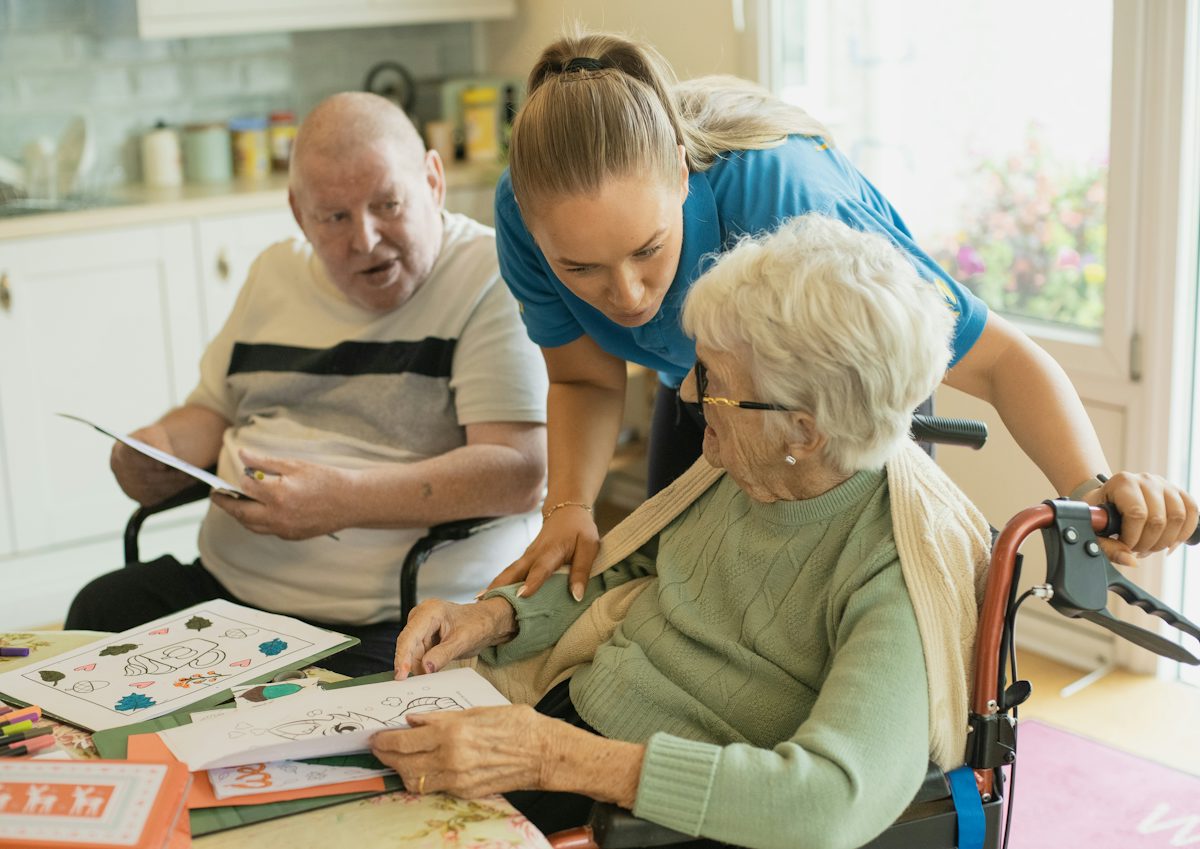
Our elderly care service aims to facilitate meetings between families and people willing to offer trusted companionship and practical non-medical support, helping to make daily life simpler and more pleasant.
What is elderly care?
Light elderly care is support for people who want help with daily activities while maintaining a good degree of independence.
The aim is to promote wellbeing, socialisation and the possibility of continuing to live at home, without necessarily replacing family members or care professionals.
The service can be organised for a few hours a week or on a live-in basis, when appropriate and properly regulated.
What activities can it include?
- Companionship and conversation: spending time together, talking, reading or sharing interests.
- Walks and recreational activities: going out, visiting nearby places or doing activities compatible with the person's abilities.
- Errands and shopping: accompanying the elderly person or helping them organise purchases.
- Help in the kitchen: preparing simple meals and helping with agreed daily activities.
- Light household tasks: helping to maintain order and manage ordinary household matters.
- Daily reminders: reminding about appointments or medication times, without administering medication or taking on medical responsibilities.
- Presence and reassurance: offering companionship and reporting to the family any situations that require attention.
The actual activities must be defined before the service begins, taking into account the elderly person's needs and the person's skills.
What activities are not included?
Light care should not be confused with medical, nursing or health and social care.
It does not include, as such:
- administration of therapies or performance of clinical procedures;
- nursing services;
- independent management of health emergencies;
- care activities that require specific skills not possessed by the person in charge.
Help with personal hygiene, mobility or other essential activities also requires a specific assessment of the elderly person's needs and the skills required.
If the person is not self-sufficient or requires continuous care, it is advisable to consult a doctor and local health services to identify appropriate care.
Who is this service for?
The service may be suitable for different situations.
Elderly people living independently. People who are able to manage most of their day but appreciate help with some activities.
People who feel lonely. Elderly people who want more company, conversation and opportunities to get out of the house.
People who need temporary support. For example, after an illness or surgery, when it has been established that they can receive non-medical help compatible with their conditions.
Families living far away. Adult children and relatives who want to arrange a regular presence for a family member, without giving this person medical responsibilities.
Every situation is different: before choosing the service, it is important to assess the level of independence, actual needs and family expectations.
Who can become an elderly care assistant?
To offer companionship and support in daily life, reliability, patience, empathy and respect are especially important.
Adults who wish to make their time and abilities available may be interested, including people with family care experience or with studies in areas such as education, psychology, social work and nursing.
Experience and training are useful elements to consider. However, the qualifications needed depend on the tasks: it is not possible to carry out medical or professional activities simply because you have personal experience or are studying in a related field.
The person must clearly understand the limits of their role and be willing to respect the agreements established.
How does the service work on our platform?
Our platform aims to facilitate meetings between families seeking support for an elderly person and people interested in offering companionship and daily help.
The process can start with just a few steps:
1. The family describes their needs, indicating the activities required, frequency and situation characteristics.
2. The interested person presents their profile, specifying availability, experience and motivation.
3. The parties assess compatibility, discussing expectations, responsibilities, organisation and live-in arrangements, if planned.
4. Agreements are defined before starting, verifying the correct legal framework and any contractual obligations.
The platform facilitates contact, but selection must be careful: it is important to verify the information provided, assess references and clarify all responsibilities.
Important information before starting
To organise the service in a transparent way, it is advisable to agree on:
- the activities required and those excluded;
- the days, times and rest periods;
- any compensation and meals and accommodation;
- rules for privacy and use of spaces;
- contacts to inform in case of need;
- the contractual form and any insurance and contribution obligations.
Live-in arrangements should not be automatically considered as volunteering or cultural exchange. The classification of the relationship depends on the actual conditions and activities carried out.
Do you want to find a person to assist an elderly person?
Every elderly person has their own story, habits and needs. For this reason, finding someone with whom to establish a trusting relationship can make a difference.
Through our platform you can explore opportunities to meet between families and people interested in offering companionship and support in daily life.
If you are looking for help for a parent, grandparent or other family member, start by identifying the activities for which you want support. If instead you want to offer your time and availability, present your experience and clarify from the start what kind of help you can provide.
Discover our elderly care service and find a solution consistent with your family's needs.